A Guest in Two Rooms: Hotel Outcall Etiquette for the Discreet London Client
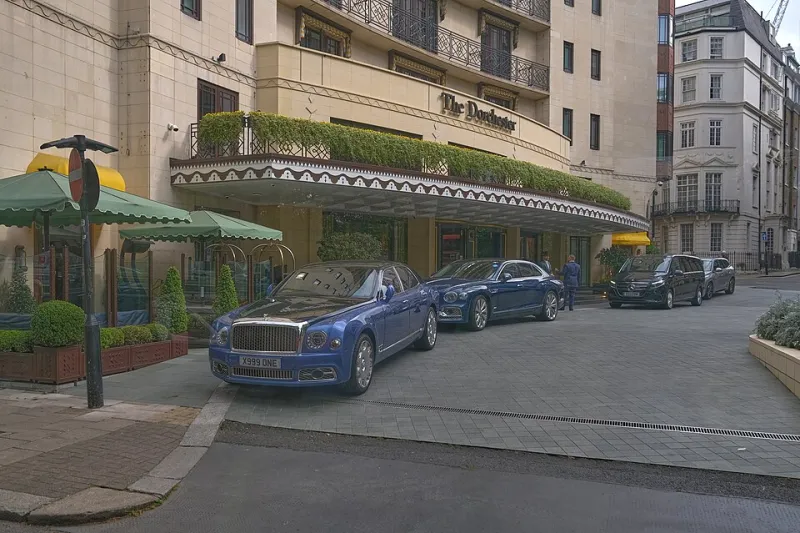
Photo: Anthony O'Neil , CC BY-SA 2.0, via Wikimedia Commons
Hotel outcalls occupy a peculiar position in the London sensual massage market. The therapist is a visitor; the client is, for an hour or two, the host. That reversal matters. A private address can absorb a certain amount of noise, movement and error. A hotel cannot. Corridors carry sound, lifts open without warning, housekeeping keeps a timetable, and other guests have every right to a quiet stay. The discreet client therefore treats the building as a shared instrument: nothing should be struck too hard.
This is not a guide to screening, pricing or choosing a setting. It concerns conduct once the booking is agreed and the address is known: how to arrive, move, wait and leave as though the hotel were simply part of the day’s ordinary business.
Before You Cross the Threshold
Confirm practicalities in writing beforehand. The therapist should know the hotel name, the booking name, and the approximate room number only when it is necessary and secure to share it. If the room is not yet assigned, agree a simple plan for the day rather than sending a stream of messages from the lobby. A client who arrives with the arrangements settled is already less conspicuous than one conducting a negotiation beside reception.
Dress as you would for any London appointment of a private nature: tidy, unremarkable and appropriate to the hotel’s tone. Carry no bag that demands explanation. If you are meeting the therapist in the lobby, arrive a few minutes early rather than very early. Loitering is the most common error. A man checking his watch by the lifts for twenty minutes is more memorable than one who walks straight through.
Use neutral language in any communication with staff. There is no need to describe the appointment, and no advantage in doing so. If the hotel requires visitors to sign in or be collected from reception, follow its procedure without theatre. Discretion is not a performance of secrecy; it is the avoidance of unnecessary detail.
The Lobby Is Not a Waiting Room
The lobby belongs to everyone. Sit only if you genuinely need to sit, and then in a natural place rather than at the foot of the lifts. Keep your phone silent and your voice low. If the therapist arrives, acknowledge them briefly and let them lead the short walk to the lift or stairs. Prolonged eye contact, a broad greeting or a conspicuous pause can draw exactly the attention both parties wish to avoid.
If the therapist is delayed, wait as an ordinary guest would. Do not patrol the reception area, question staff about arrivals, or describe the person you are expecting. A calm wait is easier to explain than anxious movement. Should reception call the room to announce a visitor, ensure that arrangement has been agreed in advance and that the call is expected.
Lifts, Stairs and the Short Walk
Use the lift as any guest would. Do not hold the doors open while waiting for someone who has not yet arrived, and do not crowd a shared lift with conversation about the booking. If the therapist prefers to travel separately, respect that preference without debate. In a large London hotel, two people converging at the same floor can be less noticeable than two people behaving as though they are attached.
In the corridor, walk at a normal pace. Do not whisper theatrically; a whisper carries further than a low, ordinary sentence. Have the keycard ready before you reach the door. Enter promptly, close the door quietly, and avoid standing in the doorway as though conducting an inspection. The briefest transitions are usually the most discreet.
Inside the Room: Host Conduct
Once inside, the client is the host. Clear a chair, place coats sensibly and offer water. Discuss pressure, boundaries and timing in a quiet, ordinary voice. A low volume is not prudishness; it is practical respect for the building’s acoustics. Television noise is rarely helpful. Low music may soften the room, but it should not be used as a crude mask for sound.
Keep phones silent and face down. If the hotel supplies a Do Not Disturb sign, use it during the session, but remember that housekeeping may still knock and that checkout rules do not disappear. If a knock comes, pause, close a robe, answer briefly through the door and decline service. There is no need to explain further.
Massage equipment should be kept tidy and discreet. Oils and towels should remain in the bathroom or a sensible corner rather than spread across the room. Hotel furniture should be returned to its original arrangement where possible. The aim is not to erase every trace of the appointment, but to leave the room as a room rather than a scene.
Noise, Time and Housekeeping
Hotels have rhythms: lift chimes, trolleys, doors closing, the distant murmur of other guests. The discreet client works with those rhythms rather than against them. Avoid loud laughter, speakerphone calls and unnecessary movement near shared walls. Keep voices low. If the therapist brings a folding table or other equipment, let it be assembled without clatter and stored out of the way afterwards.
Time awareness matters. A session that overruns into housekeeping rounds creates avoidable friction. Agree the finish time clearly at the start. When the appointment ends, allow the therapist to prepare to leave without a rushed corridor exit. A few minutes of calm organisation are worth more than a hurried dash that attracts notice.
The Clean Departure
Plan the departure before it happens. Decide whether the therapist will leave first or whether a short gap is preferable. Do not walk them to the lobby unless that has been agreed; in most hotels, a brief goodbye at the door is enough. Check the room for belongings, remove any Do Not Disturb sign, and leave towels in the bathroom rather than on the bed.
Settle any agreed payment before departure, not in the lobby or lift. Keep final messages brief and avoid discussing the appointment in shared spaces. If you pass reception, offer the ordinary courtesy of a guest leaving a hotel: a nod, a quiet thank you, nothing more. Feedback, if offered, belongs in a later message rather than a public area.
A Word on Staff and Other Guests
Hotel staff are not props in a private arrangement. They should be treated with the same neutral courtesy as any other guest would offer. Requests should be ordinary and minimal. There is no need to involve housekeeping in deliveries, explanations or arrangements that can be handled discreetly elsewhere.
Other guests are equally entitled to privacy. A corridor is not an extension of the room, and a lift is not a place for intimate conversation. The client who moves through the hotel as someone who belongs there — unhurried, quiet, prepared — protects the therapist, the other guests and their own privacy. In London’s 2026 hotel market, that remains the code: not invisibility, but good manners at scale.