Wet Pavements, Dry Thresholds: A Rain Code for London Sensual Massage Clients
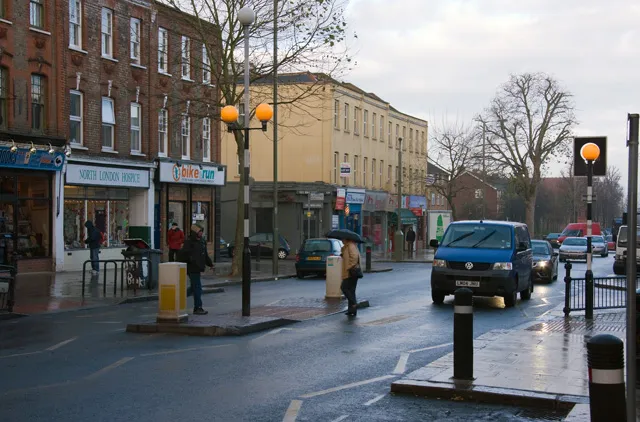
Photo: Martin Addison, CC BY-SA 2.0, via Wikimedia Commons
London in the wet months is not merely rainy; it is a city negotiating water at every threshold. Pavements shine, buses exhale damp air, and the Tube becomes a humid crush of coats. For a client with a sensual massage appointment in late 2026, the weather is not a dramatic obstacle. It is a series of small practical questions that deserve a calm answer. The aim is simple: arrive without tracking the street through the door, and leave without turning a discreet visit into a spectacle.
The Kit: What Earns Its Place Before the First Puddle
A wet-weather visit begins before the front door. The most useful item is not a large umbrella but a small, reliable one that can be closed, sleeved and carried without dripping through a hallway. A folded waterproof bag for the umbrella is more valuable than a second umbrella. A spare pair of socks, kept flat in a bag, is not an over-preparation; it is a quiet remedy for the client whose shoes have given up on the way.
Clothing should be chosen for the journey as much as for the appointment. A coat that sheds water is preferable to one that holds it. A bag that closes properly is better than one that gapes over a wet shoulder. None of this requires expense. It requires a moment of foresight before leaving home, and a recognition that the practitioner’s room is not a drying room.
The Approach: Timing, Pavement and Temperament
Rain compresses a journey. Streets become slower, crossings become more cautious, and the temptation is to hurry. A client should add a small buffer to the usual travel time, not to arrive early and loiter, but to avoid arriving flustered. A few minutes spent under a shop awning or on a quieter side street can restore the composure that a crowded bus has taken away.
Pavement discipline matters. Walking through a deep puddle is not a moral failure, but arriving with soaked trouser cuffs and a dripping umbrella is a practical one. Where possible, choose the drier side of the street. Do not shake an umbrella inside a communal entrance. Wipe the feet on the mat with purpose rather than theatre, and keep moving. The goal is not to be invisible; it is to be unremarkable.
At the Threshold: The Thirty-Second Handover
The first thirty seconds inside the door set the tone for the rest of the appointment. A practitioner will usually have a place for wet items: a tray, a stand, a designated corner, or a bag. The client should ask rather than assume. A simple question — where would you like the umbrella? — is more welcome than a wet object placed on a chair.
Coat and shoes should follow the same logic. If shoes are to be removed, keep them together and away from the main walking route. If socks are damp, say so; a spare pair from the bag is better than silent discomfort. Wet belongings should be grouped in one place, not distributed across the room. A dripping umbrella laid on a carpet is the kind of small error that lingers in the memory longer than it should.
Inside the Room: Dry Air, Dry Floor
Once inside, the client’s task is to keep the room as comfortable as it was found. Wet hair should be addressed discreetly: ask for a towel or use one brought from home, rather than letting water reach a pillow or a chair. A coat should not be draped over furniture to dry. If the practitioner offers a hanger or a hook, use it.
The room’s temperature is a matter for the practitioner, not for silent adjustment. If the client feels cold or overheated, it is better to ask than to fiddle with a thermostat. The same applies to moving between the treatment room and a bathroom: wet shoes should not track a path across a clean floor. A little attention here preserves the atmosphere of the appointment and spares the practitioner an unnecessary clean-up.
The Exit: When the Pavement Is Shining
Leaving is the second half of discretion. The umbrella should be opened outside, not in a doorway. The coat should be on before the door opens, so that the client steps out ready rather than standing on the threshold in a performance of departure. If a cab is waiting, move to it without lingering. If the client is waiting for a cab, stand to one side rather than blocking the entrance.
A final check of belongings is sensible: phone, keys, umbrella, bag. The rain provides its own cover. People hurry home with their heads down; a figure stepping into the evening is unremarkable. The client should thank the practitioner and go, without a long goodbye in the rain. The pavement is shining, the buses are full, and the city is already looking elsewhere.
A Code in Miniature
The rain code is not complicated. Carry a small umbrella and a bag for it. Add a few minutes to the journey. Wipe the feet and keep the umbrella closed indoors. Ask where wet items should go. Keep damp belongings together. Do not drape a wet coat over furniture. Open the umbrella outside. Leave without blocking the door.
In London, rain is ordinary and discretion is prized. A client who manages the weather with quiet practicality honours both. The appointment remains what it should be: a private, considered interlude, unspoiled by a trail of water or a fuss at the threshold.